
Sargis Hovsepyan
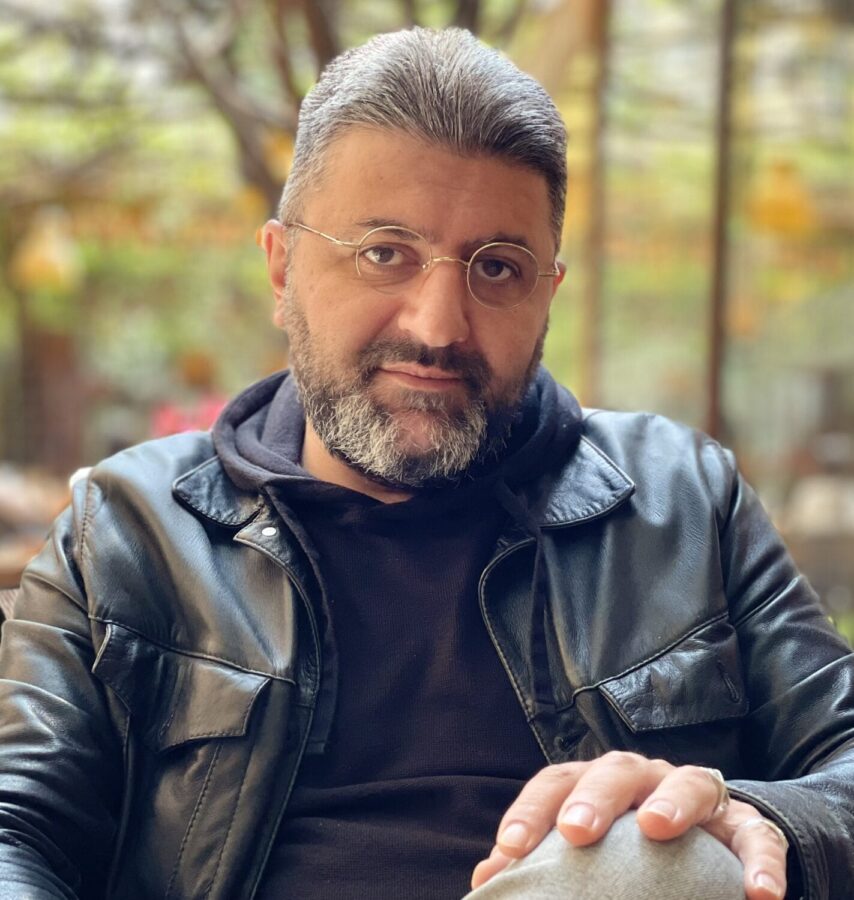
Biography
Sargis Hovsepyan (b. 1977, Yerevan) is an Armenian fiction writer, screenwriter, playwright, educator, and cultural manager. He is the author of a collection of short stories and two novels, and he also holds a BA in Screenwriting from the Yerevan State Institute of Theatre and Cinema. Since 2018, he has taught creative writing at the TUMO Center for Creative Technologies, working with young writers and emerging voices. In 2022, he became Head of Television Projects at the cultural channel Boon TV, and in 2025 was appointed Director of Yerevan State University’s Cultural Center. He volunteered as a soldier during the 44-Day War (Nagorno Karabakh, 2020) and his reflections on the conflict are expressed in his short story, “Flat Rock,” published by Asymptote Journal. He is married and the father of one daughter.
Nominated book : Դու էսօր մեռի, ես՝ վաղը (You Die Today, I Die Tomorrow)
Summary
Sargis Hovsepyan’s You Die Today, I Die Tomorrow moves between past and present, revealing how suppressed histories continue to shape everyday life. The novel focuses on Frida, a young woman in Yerevan whose research into the fate of a forgotten victim of Stalinist repression leads her beyond archives and into the silences of her own family. Set in contemporary Armenia in the spring of 2022, as Russian refugees arrive in Yerevan after the invasion of Ukraine, the novel weaves together personal relationships and political tensions. In parallel with the tense narratives of Frida and her grandfather, the city emerges as a layered witness to history, its streets and squares reflecting intertwined times, memories, and the lingering presence of imperial violence. As hidden stories surface, the narrative unfolds like a subdued investigation, gradually revealing the logic behind its unsettling title.
Sona Mnatsakanyan (Metro Publishing)
sonamnats@gmail.com
+374 93 379048
Arevik Ashkharoyan
arevik.ashkharoyan@gmail.com
+374 91351112

Excerpts
Կիրիլի հայտնվելուց հետո Ֆրիդայի չափած-ձևած կենցաղը վերածվեց քաոսի։ Օրական տասն անգամ անակնկալի էր գալիս՝ մեկ՝ անսպասելի խոհանոցում օտար մարդու հետ դեմ դիմաց դուրս գալով, մեկ՝ զուգարանի կամ բաղնիքի դուռը ամենաանհարմար պահին փակ գտնելով, մեկ՝ խոհանոցի սեղանին ինչ-որ կասկածելի պարունակությամբ ֆաստֆուդի տուփեր հայտնաբերելով, որ Կիրիլն էր իբր իր անտեղի ներկայությունն ինչ-որ կերպ փոխհատուցելու համար աստված գիտի որտեղից բերում։ Էլ պիցաներ, էլ սառած շաուրմաներ ու քյաբաբներ, էլ չիպսեր ու տարաբնույթ սնիկերս-բաունտիներ, որ Ֆրիդան հատկապես ատում էր, քանի որ քաղցրի հանդեպ թուլություն ուներ ու արդեն հինգ տարի, ինչ մենակ էր ապրում, երբեք տանը չէր պահում։ Ֆրիդայի փոքրիկ բնակարանը վերածվել էր ատրակցիոնի, որտեղ ամեն քայլափոխի ինչ-որ վտանգ կամ գայթակղություն էր սպասում։
Առավոտյան էլի մեխանիկորեն քայլել էր հյուրասենյակ կշեռքին կանգնելու, բայց հենց հյուրասենյակի դռան մոտ հանկարծակիի էր եկել՝ Կիրիլին բազմոցի վրա հայտնաբերելով։ Արդեն մի քանի տարի կշեռքը հյուրասենյակի դռան հետևում էր։ Հենց առաջին իսկ օրվանից, երբ բերել էր տուն, կանգնել էր հյուրասենյակի մեջտեղում, նայել էր շուրջը, անկյունի վրա բացվող դուռը առաջ էր բերել, տեղավորել էր այնտեղ ու այլևս երբեք այդտեղից չէր տեղափոխել։ Ֆրիդայի համար կշեռքի տեղն այնքան հաստատուն էր ու ճիշտ, դռան հետևում՝ եռանկյունու մեջ, որքան սֆինքսի տեղը մեծ բուրգերի կողքին։
Ու հիմա ննջասենյակում մահճակալին նստած չգիտեր ինչ անել։ Թափթփված վիճակից ասես հիմարացած լիներ։ Երեկ ու դրա նախորդ օրը, երբ արթնացել էր, Կիրիլն արդեն արթուն էր եղել, ուստի միանգամից ներքաշվել էր ինչ-որ գործնական իրարանցման մեջ՝ սուրճ, նախաճաշ, լոգարան, հետո բանկ, տան փնտրտուք և այլն, ու չէր էլ հասցրել մտածել անհարմարության մասին։ Այսօր որոշել էր տնից դուրս չգալ, իսկ Կիրիլն էլ հենց այսօր որոշել էր երկար քնել։
Մտածեց՝ գոնե նոթբուքը երեկոյան իր մոտ բերած լիներ, մի բանով կզբաղվեր, մի քիչ գործ կաներ։ Տեղից ելավ, անհանգիստ դեսուդեն քայլեց նեղլիկ սենյակում, ապա նայեց պահարանի դռան մեծ հայելու մեջ, ուղղեց խալաթը, գոտին ձգեց ու դուրս եկավ սենյակից։ Հյուրասենյակի դուռը երեք-չորս քայլի վրա էր, հասավ դռանն ու կանգ առավ։ Սրեց լսողությունը։ Կիրիլը ծանր շնչում էր։ Բազմոցը պատի տակ էր ու դռնից չէր երևում, փոխարենը երևում էր նոթբուքը, հենց դիմացը՝ պատուհանի տակ, աթոռին դրված։ Ֆրիդան խոր շունչ քաշեց ու արագ քայլեց դեպի նոթբուքը՝ հայացքը նպատակակետին։ Հասնելով աթոռին՝ վերցրեց նոթբուքն ու շրջվեց։ Կիրիլի մերկ մարմինը փռված էր բազմոցին, փորի վրա, գլուխը բարձի մեջ խրած, հաստ թևերը դեպի վեր։ Ծածկոցը միայն մեկ ոտքն էր ծածկում, մյուսի թաթն անփույթ կախված էր բազմոցի եզրից։ Ֆրիդան ակամա դանդաղեցրեց քայլերը։ Պիրկ հետույք՝ կարմիր վարտիքի մեջ․ միակ գունեղ բանն էր Ֆրիդայի միատոն հյուրասենյակում։ Մետր ութսունն անց մի հսկա պառկած էր իր բազմոցին, լայնաթիկունք, կիսածալված թևերի վրա ուռած բազուկներով ու մարզված մկանունքով։ Դուռը չանցած՝ մի պահ կանգ առավ, հայացքը սահեցրեց վարից վեր՝ ասես մտապատկերում ֆիքսելու համար երկնքից իր բազմոցին ընկած դրագունի մարմինը, ու անցավ խոհանոց։
Առանց ժամանակ կորցնելու ջազվեն դրեց գազօջախին։ Սիրտը դառը սուրճ էր ուզում։ Նայեց ջազվեի մթության մեջ անշտապ թշշացող սուրճին։ Սուրճի երեսը բաց երանգ ստացավ ու սկսեց բարակ փրփրել։ Ներշնչեց սուրճի գոլ բույրն ու մինչ կբարձրանար, դարակից հանեց բաժակն ու ափսեն։
Մտապատկերից չհեռացող հսկայական մարմինը չափազանց շատ տեղ էր զբաղեցնում Ֆրիդայի առավոտյան մտքերում, Ֆրիդայի փոքրիկ հյուրասենյակում, Ֆրիդայի բնակարանում ու քաղաքում։ Ֆրիդան դանդաղ շալակում էր այդ մարմինը։ Ուր գնում էր, մարմինը հետն էր։ Մի կերպ հրելով մտցնում էր Իլիկ, բայց երբ հաջողվում էր, Իլիկի պարունակությունը սլլալով ու պատերին քսմսվելով դուրս էր պլստում Իլիկից։ Հսկայական մարմնի ոտքերի արանքներից դուրս էին թափվում ճզմված նկարիչները, թևերի տակից՝ ճմրթված հարբեցողներն ու խեղճացած փիլիսոփաները։ Ֆրիդան փորձում էր այդ անդարդ ու թարմ մարմինը մտցնել իր փոքրիկ Տոյոտա Յարիսը, բայց ավտոմեքենայի աթոռները կոտրվում էին, ծռմռվում էին տարաբնույթ կարգավորիչ ձողերն ու բռնակները, պայթում ապակիները։ Ֆրիդան մարմինը հրում էր ջազվեի մեջ, բայց այն չէր անցնում ջազվեի նեղ կոկորդից, լռվում մնում էր այդտեղ՝ իրենով խցանելով ելքը։
Թափվող սուրճի ձայնից ուշքի գալով՝ արագ անջատեց գազն ու լցրեց բաժակը։ Նույնիսկ քնի մեջ ինքնավստահ, աչք ծակող առողջությամբ այդ մարմինը Ֆրիդային անտանելի հոգնեցրեց։ Նրա ճանաչած բոլոր տղամարդիկ ջիլ ու ոսկոր էին, հոխորտացող հաճախ, բռի երբեմն, մեծամիտ, բայց նաև խոցելի։ Այո՛, հենց խոցելի՛, մտածեց Ֆրիդան, դժվար էլ ավելի լավ բառ մտածի։ Պապը, որ իր ողջ հպարտությամբ ու ծանրությամբ հանդերձ երբեք իրեն չի պարտադրում, եղբայրը, որ բանակից գալուց մի քանի տարի անց կռունկավարի գործ սովորեց ու հիմա արդեն տարիներ շարունակ օրական տասը ժամ օդում է ապրում՝ կարծես գետնի վրա տարածք չզբաղեցնելու համար։ Իջնելուց հետո էլ ամբողջ հոխորտանքը սկսվում ու ավարտվում է ընթրիքի սեղանին մի երկու բաժակ կոնծելու ու քնելատեղին հասնելու արանքներում։ Լևոնը, որ խելքին փչածը դուրս է տալիս, ուղղախոս ինտելեկտուալի հավակնոտությամբ, բայց հերիք է՝ թարս հայացքի արժանանա ուժեղ մեկի կողմից, տեսադաշտից այնպես կանհետանա, ճգնավորի պես կփակվի ինչ-որ ծակում, ասես գոյություն էլ չի ունեցել։ Խոցելի ու խեղճ էին Ֆրիդայի ճանաչած բոլոր տղամարդիկ, գոռգոռում ու ճվճվում էին իրենց ներկայության մասին, բայց տարածություն չէին զբաղեցնում այս պարարտի նման, որ նույնիսկ ձայն չի հանում։
Սուրճի բաժակը մի կողմ դրեց, դալկականաչ ափսեն նրբորեն մաքրեց անձեռոցիկով, ապա ձեռքն առնելով՝ սկսեց զննել, ասես առաջին անգամ էր տեսնում։ Նորից բաժակը հետ վերադարձրեց ափսեի մեջ ու տեղից ելնելով մոտեցավ անմիջապես գազօջախի վերևում գտնվող դարակին։ Արագ մի սպիտակ ափսե վերցրեց, որի բաժակը վաղուց էր կոտրվել, փակեց դարակն ու սկսեց շուրջը նայել։ Ավելի հարմար տեղ չգտնելով՝ ափսեն կտրուկ հարվածեց խոհանոցի սեղանի անկյունին։ Խուլ ձայն եկավ, ու ափսեն կտոր-կտոր շաղ եկավ հատակին։ Ֆրիդան տեղից ելավ, հատակից վերցրեց երկու մեծ կտորները, ապա բերեց ավելն ու սկսեց ավլել հատակը։ Դեռ չէր ավարտել, դռան մեջ երևաց Կիրիլը՝ սպորտային հագուստով, վարդագույն դեմքով ու անհեթեթ ժպիտը աչքերի մեջ։
– Բան է պատահե՞լ, Ֆրիդա։ Համ էլ բարի լույս։
Ֆրիդան կտորտանքները լցրեց աղբի դույլն ու ավելը դրեց անկյունում։
– Ափսեն կոտրվեց։ Ոչ մի լուրջ բան։
– Դե լավ է։ Կարո՞ղ եմ օտվել լոգարանից։
– Այո, իհարկե,– մինչ Կիրիլը կհեռանար, Ֆրիդան ավելացրեց,– գիտե՞ս, մտածում էի՝ տեսնես որքանով է ռեալ սրանով եղունգ խարտելը։
Կիրիլը շրջվեց ու զարմացած նայեց ֆրիդային, որ ափի մեջ կոտրված ափսեի երկու կտրոները պահած՝ կանգնած էր գազօջախի ու սեղանի արանքում։
– Հիշու՞մ ես, ասում էիր՝ Տեմլագում կանայք էսպիսի կտորներով էին իրենց եղունգները մշակում։
Կիրիլի դեմքը լարվեց, ասես ուզում էր հիշել: Հետո մոտեցավ Ֆրիդային ու վերցրեց կտորներից մեկը։ Զննեց, շուռումուռ տվեց ձեռքում, ապա գտավ այն եզրը, որը տափակ էր, առանց թեքության ու ձախ ձեռքի խոշոր ցուցամատը տնկելով՝ սկսեց ափսեի կտորը քսել եղունգին։ Տասը-քսան վայրկյան ջանասիրաբար ափսեի կտորը տարուբերելուց հետո մատը վեր բարձրացրեց այնպես, որ Ֆրիդան էլ տեսնի փոքր-ինչ մաշված եղունգը․
– Փաստորեն աշխատում է։ Մտքովս չէր անցել փորձել։
– Էսօր ուզում եմ մի փոքր գործ անել։ Եթե բան չունես անելու, կօգնե՞ս։ Մի երկու հարց կա տեղանքի հետ կապված, որ լավ չեմ պատկերացնում։
– Տուն պիտի նայենք։ Ցավոք, չեմ կարող։ Կներես։
Կիրիլը ափսեի կտորը դրեց սեղանին ու դուրս եկավ խոհանոցից։
Excerpt translated by Nazareth Seferian
After Kirill’s arrival, Frida’s orderly routine had plunged into chaos. She would find herself taken by surprise a dozen times a day, unexpectedly coming across the man in the kitchen, finding the toilet or bathroom door locked at the most inopportune moment, discovering on the kitchen table packages of suspicious items from fast-food chains, bought by Kirill from God knows where in an attempt to compensate for his inconvenient presence. Pizzas, cold shawarmas and kebabs, potato chips, and all kinds of chocolate, from Snickers to Bounty bars, which Frida particularly hated because she had a weakness for candy and had not kept any at home for the five years that she had been living alone. Frida’s little apartment had become a roller coaster on which a new risk or temptation lay ahead at every turn.
That morning, she had once again automatically walked into the living room to weigh herself but had been taken aback at the door when she spotted Kirill on the couch. For several years now, she had kept the scales behind the living room door. That very first day she had brought them home, she had weighed herself in the middle of the living room, looked around, opened the door in the corner, placed the scales there, and never moved them since. She considered the scales’ location to be final and fitting, in that triangular corner behind the door, just like the Sphinx is in its rightful place next to the Pyramids.
And now, sitting on her bed in her room, she did not know what to do. She was stunned by the untidy state of her apartment. When she had woken yesterday and the day before, Kirill had already been awake, so she had quickly been embroiled in his many tasks – coffee, breakfast, a trip to the bathroom, then the bank, looking for a house – and hadn’t had time to dwell on the inconvenience. She had decided to stay at home today, but Kirill had picked the very same day to sleep in.
If only she had brought her notebook into her bedroom the previous evening, she would have had something to keep her busy, she could have managed to get some work done! She got up and paced nervously in the cramped room, then she glanced at the large mirror on the cupboard door, straightened her robe, tightened its belt, and stepped out of her room. The living room was three or four paces away. She reached the door and stopped. She pricked her ears. Kirill was breathing deeply. The couch was located on the other side of the wall, and she could not see it from her position at the door. What she could see instead was her notebook, right in front of her, on a chair near the window. Frida drew a deep breath and walked quickly to the notebook, staring at the device. She reached the chair, seized the notebook and turned around. Kirill’s naked body was sprawled on the couch. He was lying on his stomach, his face buried in a pillow, his thick arms pointed upwards. The sheet only covered one of his legs, while the other foot hung awkwardly off the edge of the couch. Frida could not help but slow down. Firm buttocks in red underwear, the only colourful thing in Frida’s monochrome living room. A giant, taller than one metre eighty, was lying on her couch – broad-shouldered, with bulging biceps visible on his semi-folded arms, and an athletic build. Before she crossed the threshold, she stopped for a moment, sliding her gaze up and down, as if trying to capture a mental image of the dragoon who had seemingly fallen on her couch from the heavens. Then she slipped into the kitchen.
Without wasting any more time, she placed the jazve on the gas stove. She really wanted a cup of bitter coffee. She stared at the coffee hissing languidly in the darkness of the pot. The surface of the coffee grew a tinge lighter, and a thin layer began to bubble. She inhaled the warm fragrance of the beverage and turned to take a cup and saucer from the cupboard before the coffee could rise.
The picture in her mind’s eye of that massive body took up too much space in Frida’s morning thoughts, Frida’s small living room, Frida’s apartment and the city. Frida was slowly carrying that body around. It was with her wherever she went. She somehow shoved it into a café called Ilik, but it would slip out of there as soon as it could, spilling items on the floor and rubbing against Ilik’s walls. The space between those gigantic legs would spill over with squished artists, while its armpits would drop wrinkled drunks and miserable philosophers. Frida tried to stuff that carefree and fresh body into her tiny Toyota Yaris, but the seats of the car would break, its various regulating rods and handles creaking, its windows shattering. Frida dumped that body into the jazve, but it got stuck in its narrow neck, unable to move, blocking the way out.
The sound of the overflowing coffee snapped her out of her reverie, and she quickly turned off the gas and poured herself a cup. That body, so full of confidence even when it slept, eye-achingly fit, had exhausted her. All the men she had known were sinew and bone, often cocky, sometimes crude and arrogant, but also vulnerable. Yes, that was it: vulnerable, Frida thought to herself, she would be hard pressed for a better word. Her grandfather – who never imposed himself on her despite his pride and gravitas. Her brother – who had learned how to operate a construction crane a few years after he returned from the army and had been spending ten hours a day up in the air for several years now, as if to avoid taking up any space on the ground. Once he was back down, his whole cockiness would start and end at the dinner table, between downing a couple of shots and making it to bed. Levon – who would say anything that was on his mind, posing as a straight-talking intellectual, but all it took was a single raised eyebrow from a person with real power and he would disappear from sight, hiding like some kind of hermit in a hole, as if he had never really existed. All the men that Frida knew were vulnerable and miserable, shouting and screeching to show their presence but not taking up any real space, unlike this abundance that was lying there, making no sound.
She put aside her cup of coffee, delicately wiped the yellow-green saucer with a paper napkin, and then held it close and examined it, as if seeing it for the first time. She returned her cup to its saucer and got up from where she was sitting, walking over to the drawer that was located immediately above the gas stove. She quickly picked up a white saucer whose cup had broken a long time ago, closed the drawer and started looking around. Finding no better spot, she quickly smashed the saucer against the corner of the kitchen table. A dull sound rang out, and the saucer shattered into several pieces that scattered to the floor. Frida got up, picked up two of the larger pieces from the floor, then grabbed a broom and began to sweep up the mess. She had not finished when Kirill appeared in the doorway wearing a tracksuit, his face pink and an absurd smile on his face.
‘Everything okay, Frida? Oh, and good morning.’
Frida emptied the pieces into the dustbin and put the broom away.
‘A broken saucer. Nothing serious.’
‘That’s good. May I use the bathroom?’
‘Yes, of course,’ and before Kirill could leave, Frida added, ‘I was wondering, you know, to what extent someone could actually use one of these as a nail file.’
Kirill turned around and looked in surprise at Frida, who held two of the larger pieces from the broken saucer in her palm as she stood between the stove and the table.
‘You remember how you told me that the women at Temlag used pieces like these as nail files?’
Kirill’s face tensed, as if he were trying to recall. Then he walked over to Frida and took one of the pieces from her. He examined it, turned it around in his hand, and found an edge that was flatter, without any angles. He stuck out the large index finger on his left hand and began to rub the fragment of saucer against his nail. After he had diligently moved it this way and that for ten or twenty seconds, he raised his finger so that Frida could see how his nail was now slightly shorter.
‘I guess it works. I had never thought to try it.’
‘I want to do a little work today. If you’re free, could you help? There are a couple of issues with the location that I’m struggling to understand.’
‘I have to look at a couple of houses, so I can’t, unfortunately. Sorry.’
Kirill placed the piece of saucer on the table and left the kitchen.